
Table of Contents
There’s always that one person in a grilling party who destroys an expensive ribeye by treating it like a burger.
Too hot, too fast, no resting time — and suddenly a beautiful steak turns into something gray and chewy.
The good news is that ribeye is actually one of the easiest steaks to grill properly once you understand one thing:
You are cooking the fat as much as the meat.
That marbling inside a ribeye is what gives it that steakhouse flavor. The goal is to slowly wake that fat up, then finish with a hard sear right at the end.
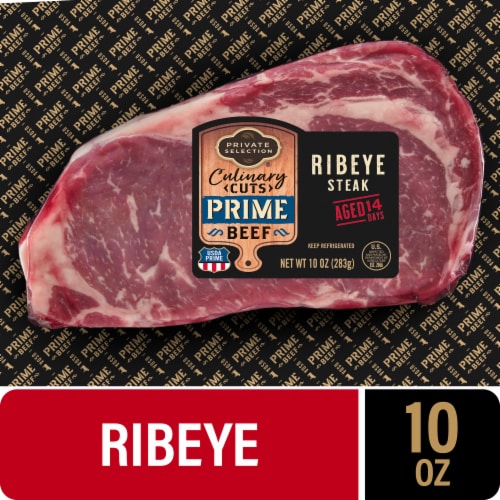
Kroger Ribeye Steaks
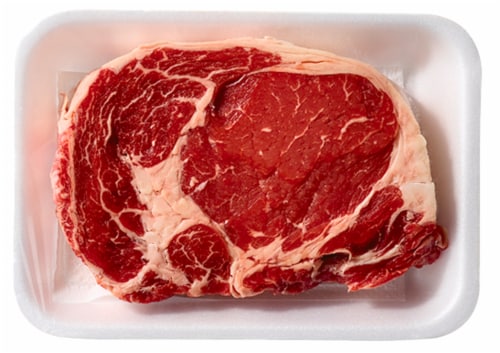
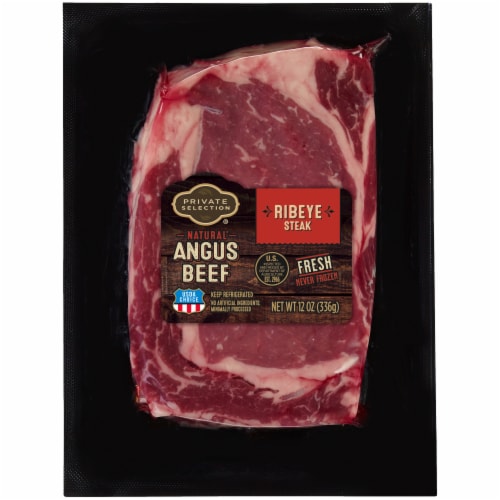
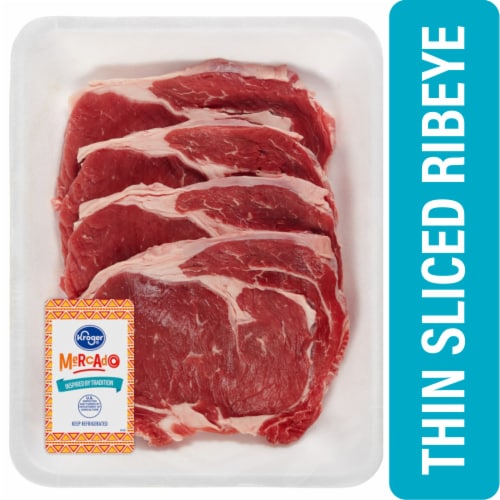
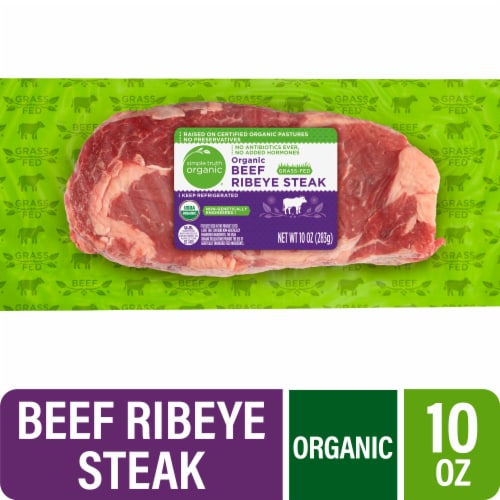


After going through methods from Serious Eats, Weber, ThermoWorks and several steak-focused cooking sites, the same pattern keeps showing up:
- dry steak
- heavy salt
- two-zone heat
- thermometer
- rest time
That’s basically the whole game.
What You Need
- Thick ribeye steak (at least 1.5 inch / 4 cm)
- Kosher salt
- Black pepper
- Charcoal or gas grill
- Meat thermometer
- Butter (optional but recommended)
If you can, buy a well-marbled ribeye instead of a lean one. Ribeye is all about fat rendering into the meat while grilling.
Step 1 — Salt Early
This makes a huge difference. Salt the steak at least 1 hour before grilling. Overnight in the fridge is even better. A lot of top steak recipes recommend this because the salt penetrates the meat and helps retain moisture while cooking.
Before grilling:
- pat the steak very dry
- add black pepper
- let it sit at room temperature for 30 minutes
Step 2 — Create Two Heat Zones
This is where most people mess up.
You do NOT want the entire grill screaming hot.
Instead:
- one side = high/direct heat
- one side = lower/indirect heat
This lets the ribeye slowly warm and render fat before the final sear. Weber and several steak-focused grilling guides recommend this exact setup for thick ribeyes.
Step 3 — Start on the Cool Side
Place the ribeye on the indirect side of the grill first.
This feels backwards if you’re used to throwing steaks directly over the flames, but there’s a reason for it.
A ribeye contains a lot of intramuscular fat. That fat doesn’t instantly melt—it gradually renders as the steak slowly warms. If you blast the steak with high heat immediately, the outside can burn long before the fat inside has had time to soften.
Close the lid and cook until the internal temperature reaches roughly:
- 105–110°F (40–43°C) for a final medium-rare
- 115°F (46°C) for medium
Depending on thickness, this usually takes 15–30 minutes.
Don’t watch the clock—watch the thermometer.
Step 4 — Finish With a Hard Sear
Now move the steak directly over the hottest part of the grill.
This is where the crust happens.
Sear for about 45–90 seconds per side, flipping every 30–45 seconds if needed. Frequent flipping actually helps build a more even crust while reducing the chance of burning.
If your ribeye has a thick fat cap, hold it upright with tongs for 20–30 seconds to render that fat as well.
| Doneness | Remove from Grill |
|---|---|
| Rare | 120–125°F (49–52°C) |
| Medium-Rare | 130°F (54°C) |
| Medium | 140°F (60°C) |
Step 5 — Butter (Optional)
Once the steak comes off the grill, add a small knob of butter on top.
Some people also add:
- crushed garlic
- fresh thyme
- rosemary
The residual heat melts everything into a quick finishing sauce.
It’s optional—but it’s hard to argue with the results.
Step 6 — Let It Rest
This is the step people skip because everyone is hungry.
Don’t.
- Rest the steak for 5–10 minutes.
During this time, the juices redistribute throughout the meat. Cut into it immediately and much of that juice ends up on the cutting board instead of in the steak.
A great ribeye isn’t just about getting the center to medium-rare.
It’s about rendering the fat.
That’s why the reverse-sear approach has become so popular among grill enthusiasts and test kitchens. By slowly warming the steak first and finishing with an intense sear, you get three things at once:
a deeply browned crust,
evenly cooked meat from edge to edge,
and rich, buttery fat that’s fully rendered instead of chewy.
Once you cook a thick ribeye this way, it’s hard to go back to throwing it over blazing heat from the start. See the latest Kroger weekly ad for the best steak deals.